
Field Note 05 / Cultural history / Evidence
A Famous Wearer Is Not Provenance
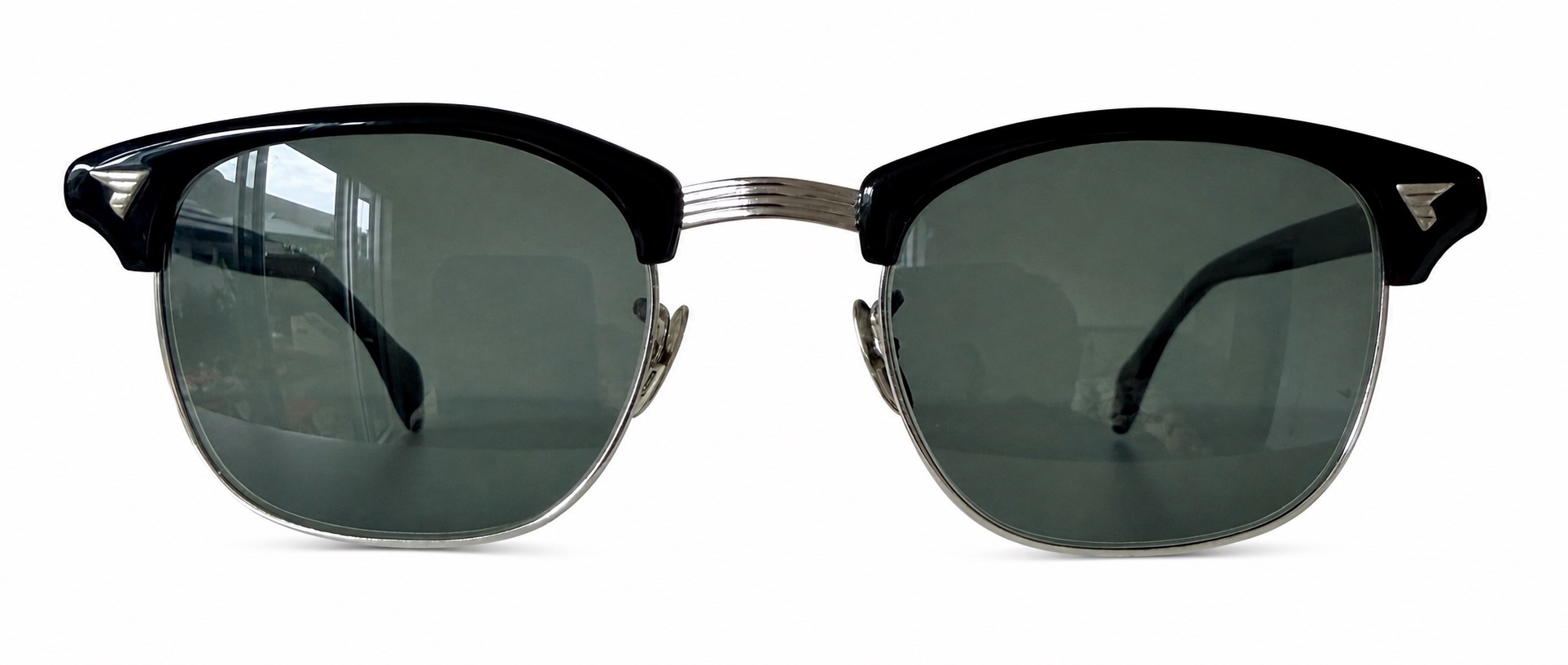
Two statements that require different evidence
“Malcolm X wore American Optical Sirmont frames” is a claim about a person and a model. “This Sirmont belonged to Malcolm X” is a claim about the history of one physical object. The second cannot be established by proving the first. The difference is small in a sentence and enormous in a catalogue.
Model associations can be illuminating. They explain how an everyday object became part of a public image and why a silhouette remains culturally legible. They should enrich the design history without quietly turning it into a chain of ownership.
The Sirmont example
American Optical identifies the Sirmont as a model worn by Malcolm X and illustrates that history with an attributed photograph. Its current product history also names Lyndon B. Johnson. These manufacturer sources support discussion of the model’s cultural presence.
Archive 03 is a separate vintage Sirmont in the Society’s collection. The relevant connection is design history. No document in the present object record establishes ownership by either figure, and the listing does not assert it. Nor should a modern reissue’s dimensions or specifications be applied to this vintage frame because it shares the name.
- The object record and the model’s public history are separate.
- Historic photographs require their own attribution and usage rights.
The Arnel and the limits of resemblance
An instantly recognisable shape encourages shorthand. Collectors encounter names such as “Arnel style” applied to frames from different makers and periods. A wearer association should not become a shortcut around identifying the frame itself. Start with the object’s markings and construction, then assess the historical image or source on its own terms.
Our Arnel study therefore begins with the OTE shield, temple record and hinge photographs. A famous name does not strengthen an uncertain date, repair a gap in ownership history, or establish that a later interpretation is the original model. The history is more interesting when those distinctions survive the telling.
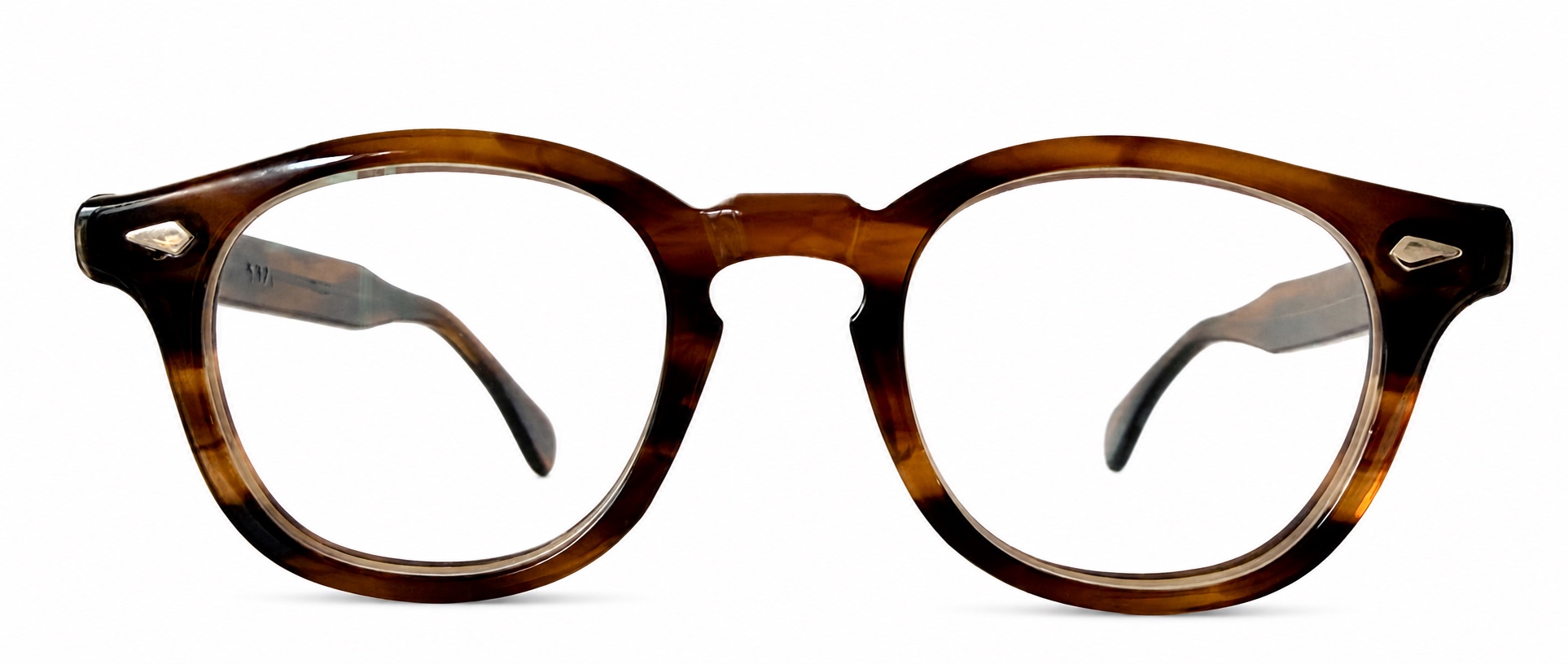
- Compare the actual object before adding cultural context.
What provenance would need to show
Christie’s describes provenance as an object’s history of ownership. For an assertion about a particular former owner, the useful evidence would connect that person to that object: for example, a traceable acquisition record, an estate inventory, correspondence, or a securely identified historic photograph. Each document would still need to be evaluated rather than accepted merely because it exists.
An auction description repeating an earlier story is not necessarily independent corroboration. A photograph of a famous person in a similar frame may identify a design but leave the particular object unresolved. A strong catalogue explains what its sources establish and where the connection stops.
Sources: [3]
Language that preserves the distinction
Use a model-history statement when the sources support a model-history statement. Reserve ownership language for a documented ownership claim. Avoid promotional phrasing that allows a reader to mistake one for the other. The same standard applies to eyewear, furniture, silver, clothing and petroliana.
This is not an argument for removing cultural history from collecting. It is an argument for making it precise enough to be valuable. A frame can matter because of its design, construction and place in visual culture while its individual former owners remain unknown.
- Model association: “American Optical documents Malcolm X wearing the Sirmont.”
- Object record: “This example’s earlier ownership is not documented.”
- Ownership claim: use only when evidence connects the person to this physical object.
Sources & scope
Object observations refer to the Society’s photographs and owner-supplied catalogue information. External references are identified below; they do not independently authenticate an object in this collection.
- American Optical · What glasses did Malcolm X wear?
Manufacturer account and attributed historical photograph; model association only.
- American Optical · Sirmont history
Manufacturer names Malcolm X and Lyndon B. Johnson in the model’s history.
- Christie’s · Conditions of Sale: provenance terminology
Definition of provenance as ownership history; no authentication of the Society’s objects.
Research questions or corrections: hello@theraregoodsociety.com